


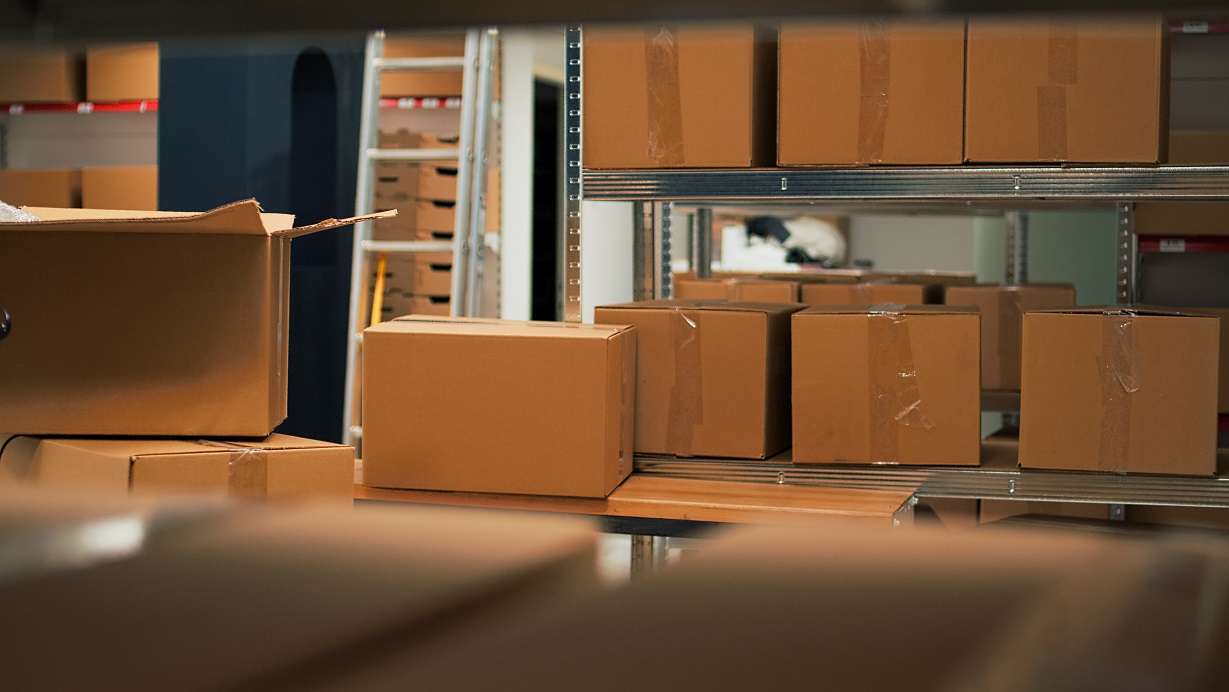
A cubic metre (m³) is a unit used to measure the amount of three-dimensional space something occupies. Removalist companies commonly use cubic metres to estimate how much space your furniture and belongings will need in a moving truck or storage facility.
The basic formula is:
Length × Width × Height = Cubic Metres
For example, if a box measures:
Then:
1 × 1 × 1 = 1 m³
So, the box occupies 1 cubic metre.
When you move house, your removalist needs to estimate how much space your belongings will take up.
Items such as:
all take up a certain amount of space.
Adding the approximate volume of these items gives an estimate of the total cubic metres required for your move.
Suppose a wardrobe measures:
1.2 m × 0.6 m × 2 m
The calculation is:
1.2 × 0.6 × 2 = 1.44 m³
Therefore, the wardrobe occupies approximately 1.44 cubic metres.
Cubic metres can be one factor used when calculating a moving quote. However, the total cost may also depend on:
Therefore, two moves with a similar volume may still have different costs.
Make a list of your major furniture and estimate the dimensions of each item. You should also include your cartons, appliances, garage items and outdoor furniture.
For a more accurate estimate, provide your removalist with:
These measurements are different.
Square metre (m²) measures surface area, such as a floor.
Cubic metre (m³) measures volume, meaning the amount of three-dimensional space an item occupies.
For moving and storage, cubic metres are generally more useful because furniture and belongings occupy volume.
One cubic metre is a space measuring 1 metre × 1 metre × 1 metre.
Removalists use cubic metres to estimate how much space furniture, cartons and other belongings may require during transportation or storage.
Multiply the item's length × width × height, with all measurements converted to metres.
Not by itself. Volume is one factor. Distance, labour, access, packing, storage and other requirements can also affect the price.
Yes. You can estimate the volume by measuring your major furniture and belongings. A professional removalist can then assess the overall moving requirements.
Understanding cubic metres can help you better prepare for a move and understand how much space your belongings may require. While it provides a useful estimate, your actual moving requirements also depend on the size, weight, shape and accessibility of your belongings.


 AUS
AUS
 Indonesia
 Dubai
Dubai India
India Malaysia
 Nepal
Nepal Singapore
 USA
USA UK
UK